Strategic advisory for executives
An experienced counterpart for the decisions that matter most.
Growing the business, hiring, investing, reorganising or changing course: some decisions call for perspective as much as a precise grasp of the ground.
I work with you personally to examine your options, challenge your analysis and prepare the choices your company will live with.
You keep the helm. I bring useful contradiction, operating experience and a method for pressure-testing your choices.
Work with the leader
Direct work with you, centred on your responsibilities and your decisions.
Dozens of engagements
A cross-cutting read of commerce, profitability, operations and management.
A pace that fits
Regular sessions and ways of working defined together from the start.
Working with a leader, explained plainly
What we work on together, at what pace, and what stays on your side after each session.
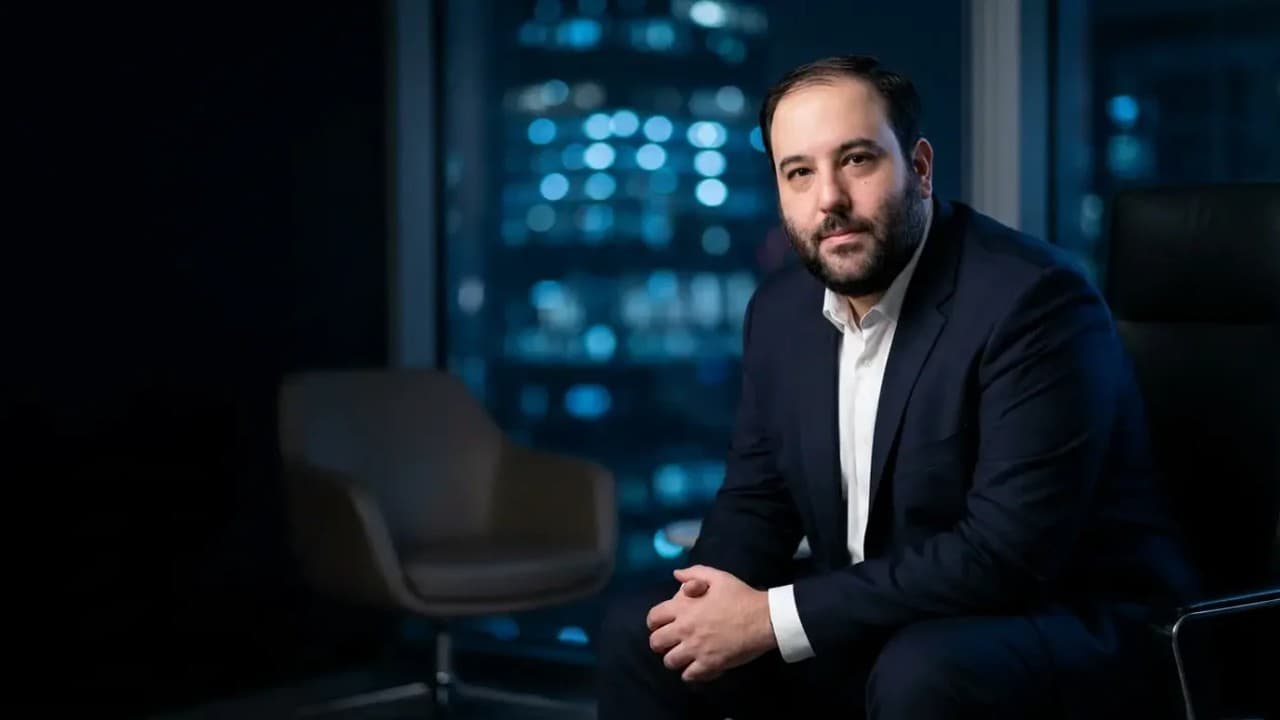
Leading means deciding on information that is never quite complete.
Your teams know their trade, but naturally defend their own perimeter
Your partners and agencies defend their recommendations as much as your interests
Your dashboards describe part of the situation, rarely its causes
The final decision is yours, with financial, organisational and human consequences

For leaders who want support in exercising the role itself.
- You are preparing a growth step and must choose where to concentrate resources
- You are weighing several investments, hires or commercial directions
- You want to assess the recommendations of your teams and agencies more rigorously
- You are taking a new role or a wider scope of responsibility
- You need to delegate more and evolve your organisation
- You are going through a tense period and want an outside read before deciding
Better-prepared choices
Options are examined with their assumptions, their consequences and the conditions they need to work.
A more demanding read of performance
You question a result, a budget or a recommendation knowing what it implies for the business as a whole.
A firmer grip on your own role
You clarify what is yours to decide, what should be delegated and what calls for a stronger organisation.
Continuity in the thinking
Important subjects are followed over time. We come back to the decisions taken and what they taught.
What we work on depends on what you have to decide.
- 01Strategy and growth: positioning, markets, offer, channels, pace of growth
- 02Performance and profitability: reading results, targets, budgets, acquisition and margin
- 03Organisation and management: hiring, delegation, responsibilities, partner relationships
- 04The leader's own priorities: where your attention goes and what to take back in hand
- 05Preparing sensitive conversations, internally and with shareholders

Understand your context
Your company, your role, your objectives and the decisions on your mind today.
Set the working agenda
Choose the priorities and install a pace that fits your calendar and your stakes.
Examine and decide
Pressure-test the options, surface the blind spots and prepare your arbitrations.
Follow through and adjust
Revisit the effects of decisions taken and evolve the engagement with your needs.
This engagement does not stand in for your judgement. It gives it material, contradiction and continuity — three things a leader's calendar rarely produces on its own.
Anchored in your real files, not in general principles.
A decision, or the criteria to take it
Every conversation ends on a sharper position, even when the decision is not yet ripe.
Blind spots surfaced
Implicit assumptions are brought into the open before they become expensive.
An organisation that takes over
The subjects your team should handle without you are named, then handed across.
Give your decisions the thinking space their stakes deserve
You keep command of your company. My role is to make your arbitrations sounder, not to take them for you.
We work on your real files, with your numbers and your constraints.
Let's talk about your role, your priorities and the support that would serve you best.
Still have questions?
Find detailed answers about my methodology, my commitments, and what you can concretely expect from working together.
You keep command of the business and the management of the teams. This engagement helps you exercise those responsibilities rather than taking operational leadership in your place.
No. It also serves to prepare growth, succeed in a new role or strengthen an organisation that already performs.
Yes, when they call for a decision from you: choosing an agency, an acquisition budget, site performance, customer service organisation or hiring a lead.
The engagement is centred on you. A partner or a manager can join occasionally when it helps address a subject.
It depends on the number of subjects, their urgency and the follow-up you want. We set a pace together and reassess it as needed.